
Why Are More and More Doctors Choosing Colorful Scrubs Instead of Traditional White?
Comfort Comes First
Modern scrubs, unlike traditional white coats, are far more comfortable. Lightweight and flexible fabrics provide freedom of movement, which is crucial during long shifts or surgical procedures.
Louis Lanier scrubs are made from breathable, durable materials that withstand frequent washing and disinfection, ensuring they stay fresh and neat longer.
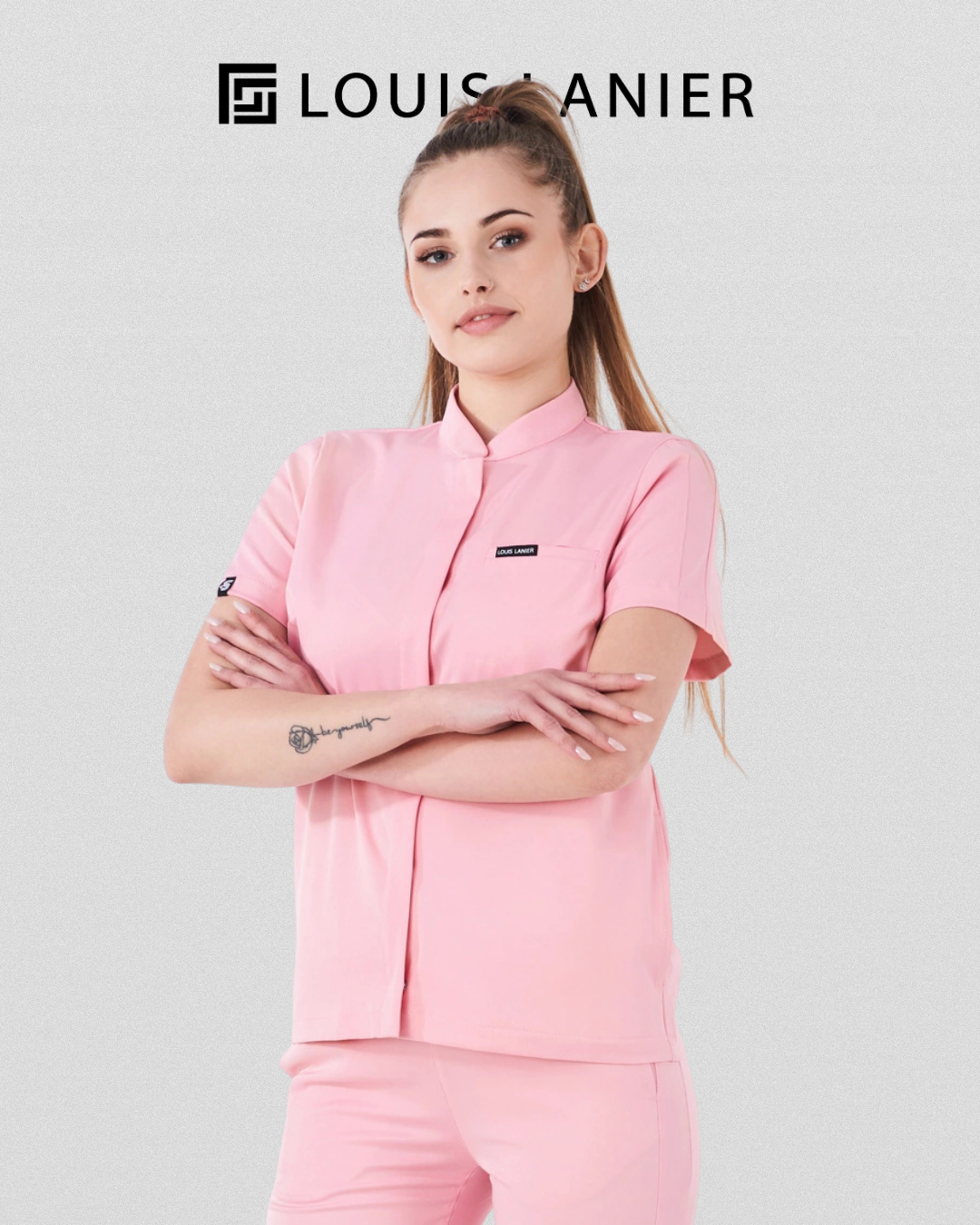
The brand’s collections combine functionality with elegant design. You’ll find classic models in deep shades of navy or green (such as Lormont, Vannes, Arras, Tulon) as well as pastel versions like Vannes, Arras, and Nantes in Pastel Pink or Pastel Violet. Louis Lanier medical apparel adapts to the body, offers lasting comfort, and maintains a professional appearance even after many washes.
Color Matters – Psychologically, Too
Colors influence not only patients’ moods but also the well-being of medical staff.
Green and blue evoke calmness, trust, and balance – which is why they dominate in operating rooms and hospital wards.
Warmer tones like violet or pink are often found in pediatric or maternity departments, where they create a more welcoming, less stressful atmosphere.
Louis Lanier embraces the power of color in its collections, offering a wide range of shades tailored to different specialties and work environments. Popular models with thoughtful color design include Vannes, Arras, and Siena.
Colorful Scrubs Build a New Image of the Doctor
Modern medicine increasingly values empathy and a human touch.
While white symbolizes purity, it can also seem cold and distant. Colorful scrubs help “warm up” the doctor’s image, making them appear more approachable and relatable.
Many institutions also use color coding to distinguish between departments and teams.
Practical Advantages
Colorful fabrics are better at concealing small stains and signs of wear, keeping healthcare professionals looking fresh and professional throughout the day.
Summary
Colorful scrubs are not just a trend – they represent a shift in how medical professionals view their work and relationships with patients.
They combine comfort, functionality, and aesthetic appeal with empathy and warmth.
In modern medicine, professionalism is about more than skill – it’s also about connection. And sometimes, a touch of color makes all the difference.
Recommended


NANTES - women's medical top- Alpine white

ARRAS - scrub top - Alpine white

TULON - scrub top - Alpine white


